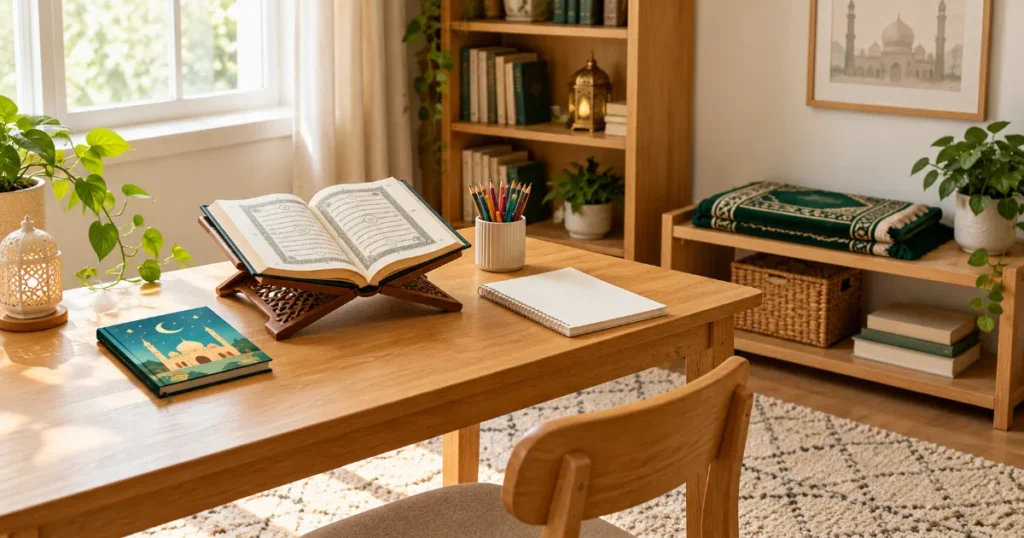
Effective Ways for Nurturing and Building Strong Islamic Habits at Home
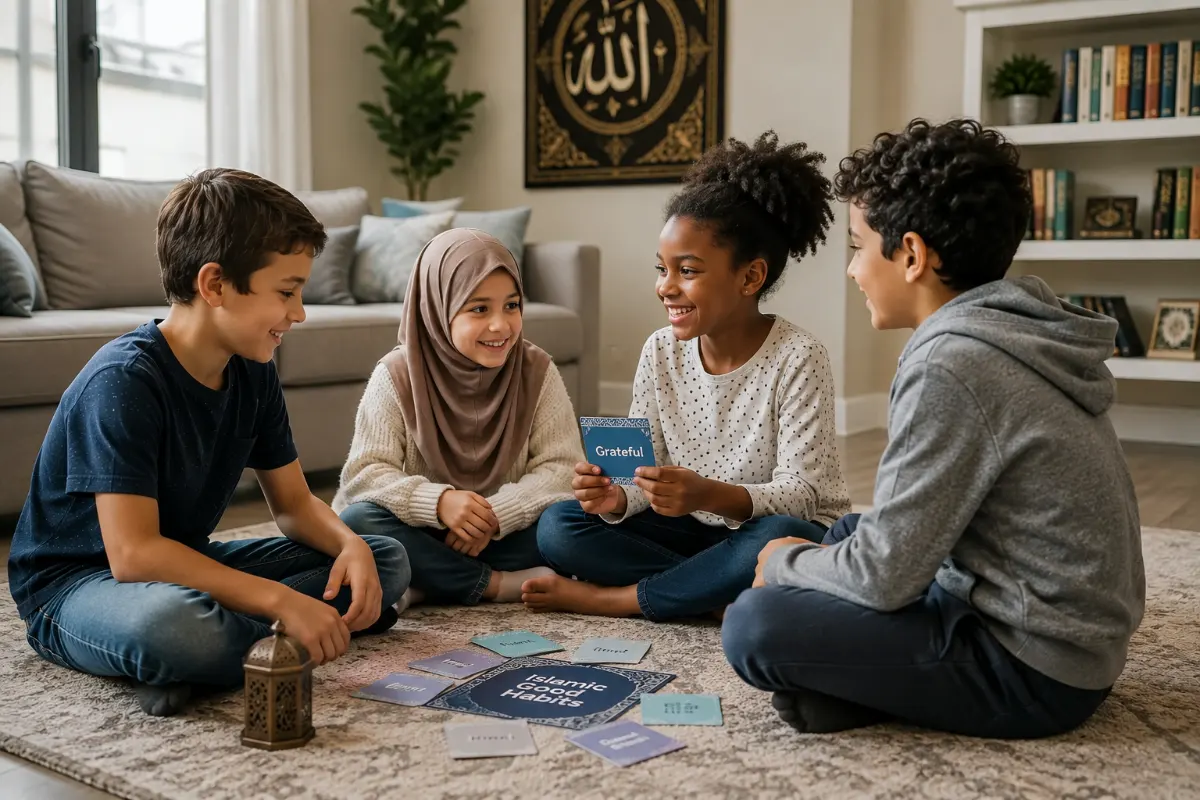
Building Islamic habits at home often begins with ordinary moments: saying Bismillah before a meal, making room for salah or opening the Quran together. These actions may seem small, but they give children opportunities to see how faith belongs in everyday family life.
Some days, those moments come easily. On others, schoolwork runs late, a toddler needs attention and the routine falls apart. A useful approach needs to work with that reality. It should give your family a clear place to start and a gentle way to return after interruptions.
The following ideas focus on routines you can actually use, without filling every evening with activities or turning worship into a competition.
1. Start Islamic Habits at Home with One Manageable Routine
Instead of introducing several changes on Monday, choose one action that fits something your family already does.
For example, keep a short dua reminder near the dining area and practise together before the evening meal. Or place the Quran reading material beside a chair you use after school, so getting started involves fewer steps.
Make the action specific. “We should read more Quran” leaves the timing and task undecided. “After our afternoon snack, we will revisit the passage from the last lesson” gives everyone a clearer plan.
Choose a Starting Point Your Child Can Manage
Consider your child’s current knowledge and the help they need. A beginner might recognise a few letters with a parent, while a more experienced reader practises a short passage independently.
When introducing Islamic habits at home, avoid making the first task so large that the family struggles to repeat it.
A simple starting plan includes:
- One action your child understands.
- An existing part of the day to attach it to.
- The materials needed before you begin.
- A clear stopping point.
- A smaller version for unusually busy days.
You can build on the routine once it feels workable. There is no need to expand it every week.
2. Help Children Learn Through Your Own Example
Children hear reminders, but they also notice what adults do when nobody is watching them closely. Your approach to prayer, promises and mistakes helps show what Islamic values look like in practice.
You do not need to present yourself as a parent who never gets tired or forgets anything. If you speak sharply, return to the conversation and apologise. If you promise to help, follow through or explain honestly why the plan needs to change.
These ordinary responses give Islamic habits at home a meaning beyond completing an activity sheet.
Make Islamic Manners Part of Family Conversations
Talk about a value when it is relevant to something happening around you.
If siblings disagree over a toy, help them describe the problem and consider a fair solution. If your child admits a mistake, acknowledge the honesty before discussing how to put things right.
Useful family prompts include:
- “How could we say that more kindly?”
- “What did we promise to do?”
- “Who might need our help today?”
- “How can we repair what happened?”
Keep the discussion focused on the action. Labels such as “bad child” do not explain what the child should do differently.
Building Islamic habits at home involves adults practising the same courtesy they ask from children.
3. Create a Calm Family Prayer Routine
A family prayer routine needs practical preparation as well as reminders. Think about what usually makes getting ready difficult.
Perhaps prayer clothes are hard to find, the prayer mat is stored away or your child needs help with wudu at a busy moment. Preparing these things in advance can make participation less rushed.
Where appropriate, invite your child to help arrange a clean prayer space or bring their mat. Explain what is happening in language they understand and make room for questions.
Keep Prayer Guidance Appropriate to the Child
Families may need different guidance depending on a child’s age, understanding and circumstances. For religious rulings about obligations or particular situations, consult a trusted, qualified scholar.
Within your household routine, focus on clear teaching and respectful encouragement. A child learning a movement or recitation may need demonstration and patient repetition.
As you develop Islamic habits at home, avoid comparing siblings or making speed the measure of a successful prayer routine. Ask what support each child needs to understand the next step.
4. Make Quran Practice Clear, Short and Purposeful
Opening a book is easier when everyone knows what to do with it. Decide whether today’s task is recognising letters, reading a passage, correcting a sound or revising memorisation.
A child who is unsure of the task may keep repeating familiar lines without working on the difficulty their teacher identified.
Ask your child’s tutor to explain:
- Which material to practise.
- Whether the child should read, listen or revise.
- Which correction deserves attention.
- What help a parent should provide.
- When to stop and return to the task later.
For Islamic habits at home to include useful Quran practice, the work should match the learner’s present ability.
Support Practice Without Guessing at Corrections
If you are uncertain about a sound, note the question for the teacher. You can help organise materials and encourage an independent attempt without giving pronunciation advice you are unsure about.
For example, a parent might say, “Your teacher asked you to revisit these words. Let us mark the one you want help with next time.”
At Little Quran Learners, families can explore Quran learning options and discuss a suitable starting point for their child.
You can also read about the benefits of Quran learning for kids when considering how reading practice could fit your family’s goals.
5. Connect Daily Duas and Gratitude with Real Moments
Daily duas for kids become easier to place in a routine when they are connected with the situation in which they are used.
Choose a dua relevant to something your child regularly does. Introduce it carefully, explain its meaning in accessible language and help the child practise without expecting immediate recall.
Use a reliable source or ask a knowledgeable teacher to check the wording and pronunciation. When a child asks a question you cannot answer, it is fine to say that you will find out together.
Let Gratitude Be Specific
Instead of requiring a long list of blessings, invite a simple conversation. A child might mention someone who helped them, a meal they enjoyed or something they learned.
You can share your own example too: “I appreciated that you brought water when I was busy.”
These conversations allow Islamic habits at home to include noticing and appreciating everyday kindness.
Avoid forcing a cheerful response when a child is upset. You can acknowledge a difficult day while still making room for gratitude when they are ready.
6. Turn Islamic Learning into Family Participation
Islamic activities for kids do not need expensive resources or an elaborate weekly programme. A relevant story, a practical task or a thoughtful conversation may be enough.
Choose activities that connect a value with something the family can do.
| Family activity | Value to explore | A practical way to begin |
|---|---|---|
| Reading a reliable Islamic story | Honesty or patience | Discuss one choice a character made |
| Preparing a small act of charity | Care for others | Let the child help choose an appropriate contribution |
| Tidying a shared space | Responsibility | Give each person one manageable task |
| Checking on a relative | Kindness and family connections | Help the child prepare a greeting or question |
| Reviewing a daily dua | Understanding and remembrance | Discuss when it is used and what it means |
Check the accuracy of religious stories before sharing them. Avoid presenting an appealing story or quotation as authentic when its source is uncertain.
Give Children a Meaningful Role
A child can choose which suitable book to read, help organise learning materials or suggest someone the family could support.
Offering a choice within a clear routine gives the child a role without leaving the whole plan to them.
For example, “Would you like to revisit the dua before or after we put the books away?” is easier to act on than “What should we learn tonight?”
When children participate in planning Islamic habits at home, listen to what they find difficult as well as what they enjoy.
7. Keep Islamic Habits at Home Flexible During Busy Weeks
School events, illness, travel and family responsibilities can interrupt a routine. Decide in advance how you will respond.
A smaller activity can keep the next step clear on a busy day. Depending on the situation, you might revisit one familiar word, discuss the meaning of a dua or prepare materials for the next lesson.
This flexibility concerns optional learning activities and household planning. It should not be treated as advice to change religious obligations.
Return Without Turning a Missed Day into a Failure
If the family misses an intended activity, identify what got in the way. Was the timing unrealistic? Was the task unclear? Did your child need more help?
Restart with the next manageable opportunity. Requiring a large amount of extra work may make an already difficult routine harder to resume.
Maintaining Islamic habits at home does not require pretending that every week will look the same. It requires a workable plan for returning.
A Simple Weekly Plan for Muslim Family Routines
Use this example as a starting point rather than a timetable your family must follow.
- On an ordinary school day, revisit the Quran task agreed with the teacher.
- At a familiar daily moment, practise a relevant dua together.
- During the week, notice an opportunity to discuss honesty, kindness or responsibility.
- At a convenient family gathering, share a suitable story or plan a helpful action.
- Before the next week begins, discuss which part of the routine needs adjusting.
Keep Islamic habits at home connected to the household you actually have. Younger children, older learners and siblings with different needs may require different tasks.
If structured lessons would help clarify your child’s reading practice, you can request three free trial classes and discuss available arrangements.
Notice Understanding, Participation and Growing Independence
A chart can show that an activity happened. It cannot tell you everything about what a child understood or how they felt.
Look for small, practical changes. Your child may remember where their reading material belongs, ask about a dua’s meaning or recognise when an apology is needed.
Ask questions such as:
- “Which part can you do without help now?”
- “What would you like explained again?”
- “Is there a better time for this activity?”
- “What could we prepare before tomorrow?”
The purpose of Islamic habits at home is more meaningful than collecting ticks. Keep teaching, family relationships and understanding at the centre of the routine.
Frequently Asked Questions About Islamic Habits at Home
How can I start building Islamic habits at home?
Choose one manageable action linked to an existing routine, such as practising a meal dua or revisiting a Quran lesson. Prepare the materials and explain the task clearly. Add more only when the starting routine is workable.
What are suitable Islamic activities for young children?
Consider simple duas, age appropriate stories from reliable sources, acts of kindness and supported participation in family routines. Choose activities the child can understand and avoid expecting independent reading or recall before they are ready.
How can I encourage my child to join family prayers?
Prepare the space and materials, explain what is happening and offer patient guidance suited to the child. Avoid sibling comparisons. Ask a trusted, qualified scholar for religious guidance concerning age, obligations or a particular family situation.
How much Quran practice should we do at home?
Discuss a suitable task and duration with your child’s teacher. The right amount depends on reading ability, attention and the purpose of practice. A clear, manageable task is more useful than an arbitrary target that the child struggles to complete.
What if I am not confident in my own Quran reading?
Tell your child’s teacher and ask how you can support practice without guessing at pronunciation. You can prepare materials, listen attentively and note questions. Leave uncertain corrections for a knowledgeable teacher to explain.
How can I teach daily duas without making practice stressful?
Introduce a relevant dua at a familiar moment, explain its meaning and practise together. Check wording with a reliable source. Allow time for recall to develop rather than testing repeatedly or expecting immediate memorisation.
Should I use rewards to encourage Islamic habits at home?
If you use a chart or small reward, keep it focused on encouragement rather than sibling competition or judging faith. Notice effort and understanding too. Review the approach if your child becomes more concerned about the reward than the activity.
What should we do when our routine is interrupted?
Identify the practical difficulty and return at the next suitable opportunity. Simplify optional learning activities if needed. Do not create a large backlog that makes restarting harder, and seek qualified guidance for questions about religious obligations.
How can siblings with different abilities learn together?
Share an opening conversation or story, then give each child a suitable task. One might recognise letters while another revises a passage. Avoid requiring identical targets simply because they are participating at the same time.
Can online Quran lessons support Islamic habits at home?
Lessons can provide a defined reading task and guidance on what to practise between sessions. Ask the teacher how home practice should work. Families can contact Little Quran Learners to discuss their child’s starting point and request trial classes.